
Why Broadway?
From bags to protective wrap, we’ve got you covered.
Broadway Industries is your partner for high quality, innovative solutions and expertise in product and goods protection for moving, storage, retail or during transit.
Learn MoreNeed help selecting the right paper bag?
by Jaime Radakovich | Posted in: Bags

From food service and pharmacy to high-end fashion, the paper bag has replaced plastic bags as the practical and sustainable choice for consumers at checkout. According to RoundUp.org, 78% of consumers feel that sustainability is important, and 84% of customers say poor environmental practices will alienate them from a brand or company.

Durable, reusable, recyclable, uncoated kraft bags offer unmatched versatility, seen through their use across food service, delivery, pharmacy, and retail markets. Kraft twist-handle bags are even becoming a popular gift bag choice for consumers and are now being stocked across retail chains for purchase. Celebrities have been spotted toting brown kraft paper bags instead of high-end designer handbags.
Paper bags can be made from almost any color paper, but the most common type of paper used is brown or white kraft paper. How do you decide which is best for your business to stock? Read on as we break down the key features of both options to help you decide.
But first, let’s learn about the origins of kraft paper…

The “kraft” process produces strong and durable paper, making kraft paper the ideal material for producing bags to transport and carry various goods and products. It involves turning wood into pulp and then into paper in five steps:
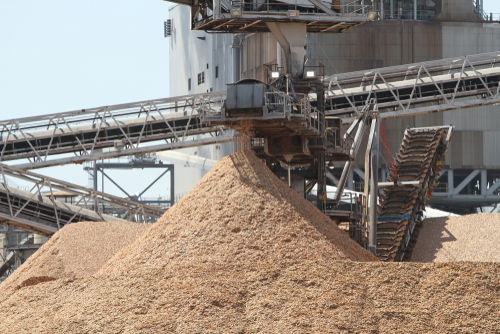
1) Wood Preparation:
The process begins with wood, usually softwood like pine or spruce. The logs are debarked, and the remaining wood is chipped into small pieces.
2) Cooking the wood:
The wood chips are then cooked in a mixture of chemicals, typically a combination of sodium hydroxide (caustic soda) and sodium sulfide. This process breaks down the lignin in the wood, separating fibers and turning them into pulp. This is known as the kraft pulping process. A benefit of kraft pulping is that roughly 90% of the pulping chemicals can be recovered and reused in an economical manner. This makes the process both sustainable and affordable.1

3) Paper Formation:
Next, the pulp is washed, screened, and refined to create a slurry. This slurry is spread thinly and evenly over a moving mesh or conveyor belt. Water drains from the slurry and the remaining fibers form a wet sheet of paper.
4) Pressing:
The wet paper is then passed through a series of heated rollers to remove the remaining water and flatten out the paper, which helps to improve the strength, density and smoothness of the paper.
5) Drying:
The drying process includes several methods that remove any excess water and ensure a consistent roll or sheet of kraft paper.
Optional Steps:

White paper bags start off as kraft brown paper and become white through a bleaching process (see optional step above) that removes lignin from the wood pulp. The process of bleaching paper has been around for centuries, even though the process has changed over the years. It creates a white, consistent paper color and allows for better ink absorption, making it ideal for printing.
The Challenges
Although today’s bleaching process has made great progress, it is still energy-intensive and involves chemicals. Extra additives can be required to restore the strength of the kraft paper as the fibers become shorter during the bleaching process.
Most white paper bags are produced from virgin materials with few options for recycled content to maintain a consistently white and bright outcome. Adding recycled content can disrupt the color consistency and sometimes the texture and strength.
Also, white kraft bags might not meet the requirements of certain state bag ban laws nationwide. You can refer to our Bag Ban Guide as a resource but always check with your state and local municipality for the latest updates and to confirm your business meets regulations.
Despite the drawbacks of bleaching, most white uncoated paper bags are still 100% recyclable and 100% reusable, making them a great alternative to plastic bags.
Where White Shines
Printing is where white kraft paper bags have a strong advantage. White paper is perfect because of its smooth and crisp ink-friendly surface. This is especially useful in promotional markets where a company’s logo or message needs to be consistent or stand out.
After all, what is better than a blank white canvas?
White kraft paper also imparts a sense of cleanliness and sterility in the pharmacy and food service sectors. Although it is not “cleaner” than brown kraft paper, white kraft paper has a strong psychological association with cleanliness. But as priorities shift and consumers reconsider what is truly important, these preconceived notions about what “premium” looks and feels like may change.
Features of White (Uncoated) Kraft Paper Bags:

The brown kraft bag is one of the most popular paper bags produced on the market. Kraft means “strength” in German, and for good reason. Kraft bags are known to be the workhorses across industries.
Brown reflects the natural color of wood pulp and delivers an organic feeling. As a result, the market’s perception of it has shifted.
The brown bag is increasingly becoming an extension of personal identity or brand statement due to its eco-friendly look and feel. Depending on the industry and use, many kraft bags are also now made from 100% recycled material with a guaranteed percentage of post-consumer material to meet increasing state regulations, making some brown bags a superior eco-conscious statement.
Today, brown Kraft bags are a “premium” sustainable product reshaping markets but they are not without challenges.
The Challenges
Due to the material’s natural properties, print quality and consistency on brown kraft bags look different from their white counterparts. Printing has typically not been prioritized over price and function for brown kraft bags.
Due to pulp batch color changes, Brown kraft paper roll color can vary slightly between production runs. In addition, many brown kraft bags are made from percentages of recycled paper with additional post-consumer recycled content, adding more variables to color outcome.
Brown kraft paper fibers are longer than bleached white due to their natural state. This makes the fibers stronger but, in most cases, creates a rougher, less porous print surface for ink absorption.
Companies seeking to convert from bleached white kraft bags to brown kraft bags may have to make allowances to achieve the same brand color effect, as not all color schemes transfer over. Making the switch, however, is easier if you consider a few things.

An Emerging “Premium” Choice
What if we start to reimagine what “premium” looks and feels like?
As we learned above, brown kraft paper differs significantly from bleached paper’s texture and appearance. Yet, it offers a superior sustainable brand extension option to deliver brand messaging to customers. It complies with most state legislation and is typically compostable.
Some describe brown kraft bags’ print as dull, muted or washed-out. However, with the right complementary color pallet, brown kraft bags can display not only a powerful brand message visually, but also an environmentally-conscious, “premium” statement.
Features of Brown (Uncoated) Kraft Paper Bags:
It’s no secret that consumers are becoming more engaged than ever in brand choice and seeking out businesses that use sustainable practices. Consumers will continue to define what is trendy and stylish in the coming years, as well as what constitutes a “premium” product.
As a business, you can check your environmental footprint and reimagine your product offerings to stay competitive and provide your customers with long-term, premium solutions.
Both white and brown kraft paper bags offer a range of environmental and practical benefits depending on your business needs.
Both options are reusable and recyclable, contributing to sustainability efforts. Additionally, they are practical and versatile, making them convenient for various packaging needs while aligning with eco-conscious consumer preferences.
For more information about paper bags, download our Paper Bag Guide or request more information.

Sources:
1. https://www.paperindex.com/academy/paper-grades/kraft-paper-primer
Tell us what you’re looking for and an expert will follow up to determine how Broadway can meet your needs.
From bags to protective wrap, we’ve got you covered.
Broadway Industries is your partner for high quality, innovative solutions and expertise in product and goods protection for moving, storage, retail or during transit.
Learn More